
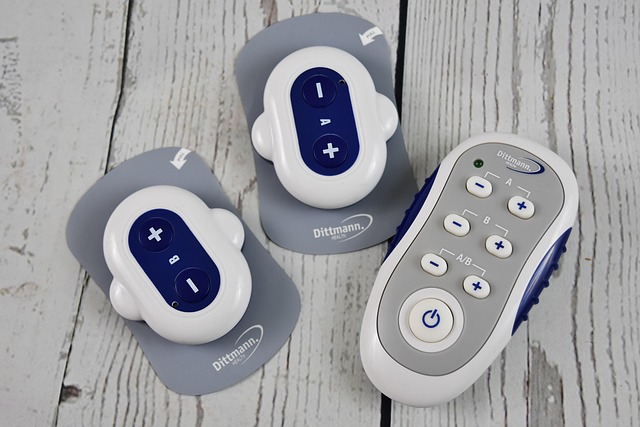
For many women, the transition into perimenopause brings a host of changes, with disrupted sleep often topping the list. While hormonal fluctuations are widely recognized as a primary driver of these sleep disturbances, emerging research highlights the significant, yet often overlooked, role of the vagus nerve. This intricate nerve pathway, central to the body’s parasympathetic nervous system, influences everything from heart rate and digestion to mood and, crucially, sleep quality. Understanding how the vagus nerve functions during perimenopause and exploring strategies like vagus nerve stimulation (VNS) offers a promising avenue for optimizing sleep and managing other common symptoms during this life stage.

Related reading: Nervous System Regulation The Missing Link In Female Longevity, Breathwork Protocols To Lower Cortisol During The Menopausal Transition.
What Does the Vagus Nerve Have to Do with Menopause?
The vagus nerve, often called the “wandering nerve” due to its extensive path throughout the body, is the longest cranial nerve. It acts as a primary communication highway between the brain and many vital organs, including the heart, lungs, and digestive tract. Its main role is to regulate the parasympathetic nervous system, the “rest and digest” branch of our autonomic nervous system. This contrasts with the sympathetic nervous system, which is responsible for the “fight or flight” response.
During perimenopause, the body undergoes significant hormonal shifts, particularly a decline in estrogen and progesterone. These hormones are not just involved in reproduction; they also interact with neurotransmitters and neural pathways that influence mood, stress response, and sleep architecture. Estrogen, for instance, has a modulating effect on the autonomic nervous system. As estrogen levels fluctuate and decline, the delicate balance between the sympathetic and parasympathetic systems can be disrupted. This often leads to a state of sympathetic dominance, where the body is more frequently in a “fight or flight” mode, even during times that should be restful.
A vagus nerve that is functioning optimally, often referred to as having high vagal tone, promotes relaxation, reduces inflammation, and facilitates a smoother transition into sleep. Conversely, reduced vagal tone, or a less active vagus nerve, can contribute to heightened anxiety, poor stress resilience, digestive issues, and, critically, difficulty falling and staying asleep. For women in perimenopause, this can manifest as increased night sweats, anxiety-induced wakefulness, fragmented sleep, and overall poorer sleep quality, directly linking the state of the vagus nerve to perimenopausal sleep challenges.
Consider a scenario where a perimenopausal woman experiences frequent hot flashes at night. These physiological events trigger a stress response, activating the sympathetic nervous system. A well-functioning vagus nerve would typically help the body recover more quickly from this stressor, bringing the system back to calm. However, if vagal tone is already low due to hormonal changes, the body struggles to downregulate, leading to prolonged wakefulness and difficulty returning to sleep after the disturbance. This interplay highlights why targeting vagal function can be a relevant strategy for improving perimenopausal sleep.
Signs of a Dysfunctional Vagus Nerve
Identifying signs of a dysfunctional vagus nerve, or low vagal tone, can help women in perimenopause understand if this pathway might be contributing to their symptoms. While a formal diagnosis requires medical evaluation, several common indicators suggest the vagus nerve might not be operating optimally.
These signs often reflect an imbalance in the autonomic nervous system, where the sympathetic “fight or flight” response is overactive, and the parasympathetic “rest and digest” response is underactive.
Here are some common indicators:
- Sleep Disturbances: Beyond general insomnia, this can include difficulty falling asleep, frequent waking, restless sleep, and not feeling refreshed upon waking. A dysfunctional vagus nerve struggles to initiate the relaxation response necessary for deep sleep.
- Anxiety and Mood Swings: Heightened anxiety, panic attacks, irritability, and difficulty managing stress can all stem from an overactive sympathetic nervous system and a less effective vagus nerve.
- Digestive Issues: The vagus nerve plays a crucial role in gut motility, stomach acid production, and enzyme release. Symptoms like bloating, constipation, irritable bowel syndrome (IBS)-like symptoms, and slow digestion can indicate impaired vagal function.
- Heart Rate Variability (HRV): A key, measurable indicator of vagal tone is HRV. Lower HRV, meaning less variation between heartbeats, often correlates with lower vagal tone and an overactive stress response. While not directly observable without specific devices, consistently high stress and low resilience can be indirect clues.
- Inflammation: The vagus nerve has an anti-inflammatory pathway. Chronic, unexplained inflammation, joint pain, or autoimmune flare-ups can sometimes be linked to reduced vagal activity.
- Difficulty Swallowing or Gag Reflex Issues: In some cases, more direct physical signs like a weak gag reflex or issues with swallowing can point to vagus nerve involvement, though these are less common as primary perimenopausal complaints.
- Brain Fog and Poor Concentration: While multi-factorial in perimenopause, a deregulated autonomic nervous system can contribute to cognitive issues.
Consider a woman who experiences persistent bloating and indigestion, coupled with increased anxiety and nightly waking, despite practicing good sleep hygiene. While hormonal changes are undoubtedly at play, these combined symptoms strongly suggest that her vagus nerve might not be effectively calming her system. She might find herself perpetually feeling “on edge” or unable to truly relax, even when she tries. Recognizing these patterns can be the first step toward exploring vagus nerve-focused interventions.
Menopausal Wellness: The Role of the Vagus Nerve
The concept of menopausal wellness extends beyond merely managing symptoms; it encompasses a holistic approach to maintaining physical and mental health throughout this transition. The vagus nerve emerges as a central player in this broader view, influencing various systems that are often impacted by perimenopause. By supporting vagal tone, women can potentially enhance their overall well-being.
The vagus nerve’s influence on menopausal wellness can be categorized into several key areas:
- Stress Resilience and Emotional Regulation: Perimenopause often brings increased stress sensitivity and emotional lability. A robust vagus nerve helps the body switch from a stress response to a relaxation response more efficiently, leading to better emotional regulation and a greater capacity to cope with daily stressors. This can mitigate the intensity of mood swings and anxiety often associated with hormonal fluctuations.
- Inflammation Control: Chronic low-grade inflammation is linked to numerous age-related conditions and can exacerbate perimenopausal symptoms. The vagus nerve stimulates the “cholinergic anti-inflammatory pathway,” which actively reduces systemic inflammation. By enhancing vagal tone, women might experience fewer inflammatory symptoms, such as joint pain or heightened sensitivity.
- Gut Health: The gut-brain axis, heavily reliant on the vagus nerve, plays a critical role in nutrient absorption, immune function, and even mood. Perimenopause can disrupt gut health, leading to digestive discomfort. A well-functioning vagus nerve supports healthy gut motility, balanced gut microbiota, and reduced gut permeability, all contributing to better digestive wellness.
- Cardiovascular Health: Estrogen decline during perimenopause impacts cardiovascular health, increasing the risk of certain conditions. The vagus nerve helps regulate heart rate and blood pressure. Optimizing vagal tone can contribute to better cardiovascular adaptability and a healthier heart rhythm.
- Sleep Quality: As discussed, the vagus nerve is instrumental in initiating and maintaining restorative sleep. By promoting a state of calm and reducing sympathetic overdrive, it directly supports deeper, more consolidated sleep, a cornerstone of overall wellness.
Consider a woman who is experiencing not just sleep issues but also chronic digestive upset, heightened anxiety, and a general feeling of being overwhelmed. Addressing these symptoms solely in isolation might miss the underlying connection. By focusing on improving vagal tone, she might find that these disparate symptoms begin to improve concurrently, as the body’s central regulatory system becomes more balanced. This integrated approach to menopausal wellness, leveraging the vagus nerve, offers a more comprehensive strategy than symptom-by-symptom management.
The Vagus Nerve and Perimenopause and Menopause
The relationship between the vagus nerve and the perimenopausal and menopausal transition is complex and bidirectional. While hormonal changes can impact vagal function, conversely, supporting the vagus nerve can help mitigate some of the challenging symptoms associated with these stages. Understanding this interplay is crucial for developing effective management strategies.
During perimenopause, the fluctuating and declining levels of estrogen and progesterone directly influence the autonomic nervous system. Estrogen, in particular, has been shown to modulate vagal activity. As estrogen levels become erratic, this regulatory effect diminishes, potentially leading to reduced vagal tone and a shift towards sympathetic dominance. This hormonal influence can exacerbate:
- Hot Flashes and Night Sweats: These vasomotor symptoms are often accompanied by a surge in sympathetic activity. A less responsive vagus nerve means the body struggles to calm down after these events, prolonging discomfort and disrupting sleep.
- Sleep Architecture Changes: Hormonal shifts can alter sleep stages, reducing deep sleep and REM sleep. An underactive vagus nerve further compromises the ability to enter and maintain these restorative sleep phases.
- Increased Stress Reactivity: The body’s ability to “bounce back” from stress is diminished when vagal tone is low, making daily stressors feel more overwhelming.
- Digestive Sensitivity: Many women report new or worsened digestive issues during perimenopause, which can be linked to the vagus nerve’s role in gut function.
For example, a woman might notice that her night sweats are more frequent and intense during phases of significant hormonal fluctuation. These episodes trigger an acute stress response. If her vagal tone is already compromised, her body remains in a state of heightened arousal for longer, leading to extended periods of wakefulness or difficulty falling back asleep.
Conversely, actively engaging in practices that stimulate the vagus nerve can help counteract these effects. By improving vagal tone, women can potentially:
- Enhance Thermoregulation: A more balanced autonomic nervous system may lead to a more adaptive response to temperature changes, potentially reducing the severity or frequency of hot flashes.
- Improve Sleep Quality: Regular vagal stimulation helps shift the body into a parasympathetic state, conducive to falling asleep faster and experiencing more restorative sleep.
- Boost Mood and Reduce Anxiety: A stronger vagus nerve promotes feelings of calm and well-being, helping to stabilize mood during hormonal shifts.
- Support Digestive Regularity: By optimizing gut-brain communication, vagal exercises can alleviate common digestive complaints.
The goal isn’t to “fix” perimenopause, but rather to optimize the body’s innate regulatory systems to navigate the transition with greater ease. Focusing on vagal health offers a powerful, non-pharmacological approach to support this process.
The Hidden Link Between the Vagus Nerve and Menopause
The connection between the vagus nerve and menopause often remains largely unrecognized, overshadowed by the more obvious hormonal narratives. However, this “hidden link” provides a deeper understanding of why many women experience a wide array of seemingly unrelated symptoms during this life stage, and why addressing the vagus nerve can offer broad benefits.
The hidden link lies in the vagus nerve’s role as a central mediator of the body’s response to stress, inflammation, and hormonal changes. When we think of menopause, we typically focus on the ovaries and their declining hormone production. What’s less visible is how these hormonal shifts ripple through the entire nervous system, particularly impacting the delicate balance maintained by the vagus nerve.
Consider these aspects of the hidden link:
- Estrogen’s Neuroprotective and Modulatory Role: Estrogen is not just a reproductive hormone; it has significant effects on the brain and nervous system. It influences neurotransmitter activity (like serotonin and GABA, which are crucial for mood and sleep) and has neuroprotective properties. As estrogen declines, these protective and modulatory effects lessen, potentially leaving the vagus nerve more vulnerable to dysregulation and contributing to an overactive sympathetic nervous system.
- Inflammation as a Common Thread: Both reduced vagal tone and menopausal transitions are associated with increased systemic inflammation. The vagus nerve’s anti-inflammatory pathways become less effective when vagal tone is low. This can exacerbate symptoms like joint pain, fatigue, and brain fog, which are common in menopause and often attributed solely to hormonal changes.
- Gut Dysbiosis and the Vagus Nerve: The gut microbiome is intimately connected to overall health via the gut-brain axis, primarily through the vagus nerve. Hormonal changes during menopause can alter the gut microbiome, potentially leading to dysbiosis. A dysfunctional vagus nerve further impairs this communication, leading to digestive issues and potentially impacting nutrient absorption and even mood.
- The “Stress Accelerator” Effect: Menopause itself can be a physiological stressor. When combined with the normal stresses of life, a vagus nerve with low tone struggles to downregulate the body’s stress response. This creates a cycle where stress further depletes vagal tone, and low vagal tone makes one more susceptible to stress, thereby amplifying many perimenopausal symptoms.
For instance, a woman might experience unexplained weight gain, increased anxiety, and persistent fatigue during perimenopause. While these can be attributed to hormonal changes, the hidden link suggests that a compromised vagus nerve could be a significant contributing factor. The reduced vagal tone might be impairing her digestion and metabolism, heightening her stress response, and contributing to chronic low-grade inflammation, all of which manifest as these seemingly disparate symptoms.
Recognizing this hidden link empowers women to look beyond singular symptoms and consider a more systemic approach to their well-being during this transition. By focusing on strategies that enhance vagal nerve function, they can address multiple symptoms simultaneously, rather than chasing individual issues.
Vagus Nerve Stimulation (VNS) Techniques for Perimenopausal Sleep
Vagus nerve stimulation (VNS) refers to various methods designed to activate or enhance the function of the vagus nerve. For perimenopausal sleep optimization, the focus is typically on non-invasive techniques that can be safely performed at home or with guidance. These methods aim to increase vagal tone, thereby promoting a parasympathetic state conducive to restful sleep. It’s important to note that while research on VNS for perimenopausal symptoms is growing, much of it is still emerging.
Here’s a breakdown of common VNS techniques, including transcutaneous vagus nerve stimulation (tVNS), and their potential benefits for perimenopausal sleep:
1. Transcutaneous Vagus Nerve Stimulation (tVNS)
Transcutaneous VNS involves using a small, non-invasive device to deliver mild electrical pulses to specific areas of the skin where the vagus nerve is close to the surface. The most common target is the outer ear (auricular tVNS), particularly the tragus or cymba conchae, as these areas have direct branches of the vagus nerve.
- Mechanism: The electrical impulses are thought to stimulate afferent (incoming) vagal fibers, sending signals to the brainstem that then propagate throughout the vagal network, influencing areas involved in stress regulation, mood, and sleep.
- Benefits for Sleep: Studies, though still preliminary for perimenopausal populations, suggest tVNS can reduce sympathetic nervous system activity, increase parasympathetic activity, and improve sleep latency (time to fall asleep) and sleep efficiency. It may also help reduce anxiety, which is a common barrier to sleep during perimenopause.
- Practical Implications: tVNS devices are typically worn for short periods (e.g., 15-30 minutes) once or twice daily. They are generally considered safe for home use, but proper instruction and device selection are crucial.
2. Deep and Slow Breathing Exercises
One of the most accessible and effective ways to stimulate the vagus nerve is through controlled breathing.
- Mechanism: Slow, diaphragmatic breathing (belly breathing) directly activates the vagus nerve. The vagus nerve monitors heart rate, and deeper, slower breaths lead to a greater heart rate variability, signaling to the brain that the body is safe and can relax.
- Benefits for Sleep: Regularly practicing deep breathing before bed can calm the nervous system, reduce racing thoughts, and prepare the body for sleep. It’s a fundamental technique for improving sleep onset and reducing nighttime awakenings.
- Practical Implications: Aim for 5-10 minutes of deep, slow breathing daily, especially before sleep. Inhale slowly through the nose, allowing the belly to expand, then exhale slowly through the mouth (or nose), feeling the belly contract.
3. Humming, Chanting, and Gargling
These actions create vibrations that stimulate the vagus nerve in the throat and larynx.
- Mechanism: The vagus nerve passes through the vocal cords and pharynx. The vibrations produced during humming, chanting (like “Om”), or even vigorous gargling can directly stimulate these vagal branches.
- Benefits for Sleep: These activities can induce a calming effect, reduce stress, and promote relaxation, making it easier to transition to sleep.
- Practical Implications: Spend a few minutes humming or gargling with water before bed.