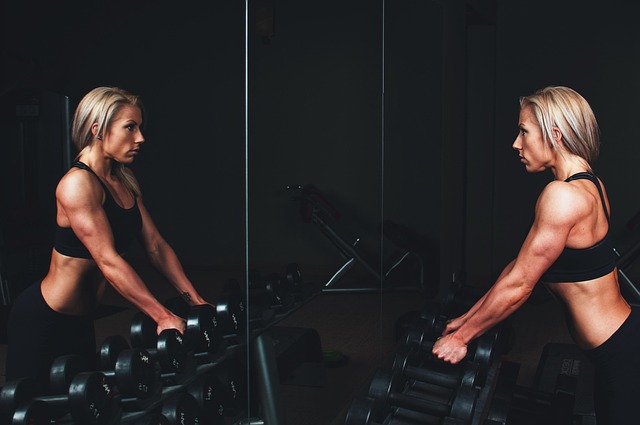
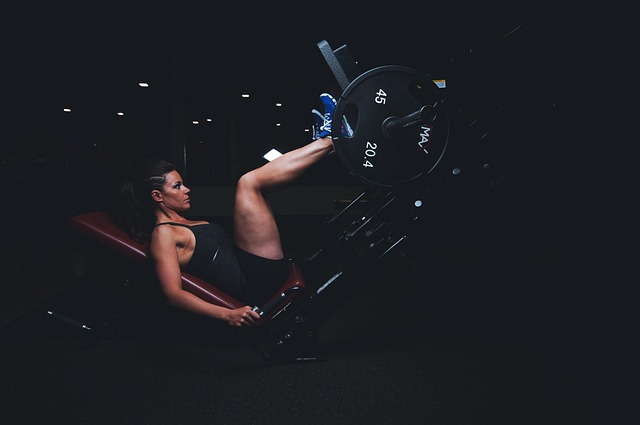
For women, living a long and vibrant life means adopting a targeted exercise strategy. This isn’t about fleeting fitness trends, but about building a robust physiological foundation that supports hormonal balance, preserves muscle and bone density, and maintains cardiovascular health. The female longevity workout integrates three primary modalities: strength training, sprint interval training (SIT), and Zone 2 cardio. Each plays a distinct yet complementary role in optimizing health outcomes for women, particularly as they navigate different life stages.
Related reading: The Minimum Effective Dose Of Exercise For Female Longevity, Sprint Interval Training Sit Vs Hiit For Women Over 40.
The Best Types Of Exercise For Longevity
A holistic approach is most effective when considering exercise for longevity, as different physiological systems require different stimuli. For women, this often means prioritizing elements that counteract age-related declines specific to their biology, such as sarcopenia (muscle loss) and osteopenia/osteoporosis (bone density loss), which are accelerated after menopause.
The “best” types of exercise aren’t singular but rather a well-rounded program. Strength training, for instance, is paramount. It builds and maintains muscle mass, which is crucial for metabolic health, functional independence, and reducing the risk of falls. Bone density also responds positively to resistance, making strength work a primary defense against osteoporosis.
Cardiovascular health is another cornerstone of longevity. While traditional moderate-intensity cardio has its place, integrating both high-intensity and low-intensity approaches offers superior benefits. Sprint Interval Training (SIT) provides potent cardiovascular adaptations, improves insulin sensitivity, and can enhance mitochondrial function, all in a time-efficient manner. Zone 2 cardio, on the other hand, builds an aerobic base, improves fat utilization, and supports mitochondrial health without the high-impact stress of SIT.
Flexibility and balance work, often overlooked, contribute significantly to functional longevity, preventing injuries and maintaining mobility. This could include practices like yoga, Pilates, or dedicated stretching routines. In practice, a truly effective longevity workout isn’t about excelling in one area, but about competent engagement across several. For example, a woman focused solely on running might have excellent cardiovascular health but neglect the strength needed to prevent muscle atrophy and bone loss, potentially leading to fragility later in life. Conversely, a woman who only lifts weights might lack the aerobic capacity for daily activities without undue fatigue.
A Trainer Shares The Exact Workout Routine She Does For Longevity
Many trainers, particularly those specializing in women’s health and aging, adopt a multi-faceted approach to their personal routines. While specifics vary, a common template emerges, prioritizing consistency and progressive overload across different exercise types. This often looks like a weekly rhythm that strategically places strength, SIT, and Zone 2 sessions.
For instance, a trainer might structure her week to include two to three strength training sessions, focusing on compound movements like squats, deadlifts, presses, and rows. These movements engage multiple muscle groups simultaneously, providing a significant stimulus for muscle growth and bone density. The emphasis is typically on lifting challenging weights for lower repetitions (e.g., 3-6 reps for strength, 8-12 for hypertrophy), ensuring adequate intensity for adaptation.
SIT sessions might be integrated once or twice a week. These are short, intense bursts of effort followed by recovery periods. An example could be 30 seconds of all-out sprinting (on a bike, rower, or running) followed by 90 seconds of easy recovery, repeated 4-8 times. The total workout time, including warm-up and cool-down, is often under 30 minutes. The trade-off here is the high perceived exertion; SIT is not comfortable, but its benefits are significant for cardiovascular fitness and metabolic health.
Zone 2 cardio is typically performed for longer durations, perhaps 2-3 times a week, often on separate days or as active recovery. This involves exercise at a conversational pace, where you can talk but not sing. Examples include brisk walking, cycling, or light jogging, maintained for 30-60 minutes. This builds the aerobic base and improves mitochondrial efficiency without inducing significant stress or requiring extensive recovery.
This type of routine isn’t about replicating a professional athlete’s schedule, but about intelligent programming. The practical implication for the average woman is to find a sustainable rhythm. If three strength sessions feel too much, two might be the starting point. If SIT is too intense initially, gradually building up to it is crucial. Women with pre-existing conditions or injuries will need modifications, often under professional guidance. The core idea, however, remains: consistent, varied, and progressively challenging movement.
Elaine LaLanne, 100, Reveals Daily Exercise Routine And Longevity Secrets
Elaine LaLanne, a centenarian and lifelong advocate for fitness, offers a powerful testament to the cumulative impact of consistent movement. While her routine might seem less structured by modern “longevity workout” standards, its underlying principles align. Her emphasis is on daily movement, often incorporating a mix of activities that maintain flexibility, strength, and cardiovascular health.
Her “secrets” often revolve around consistency and a positive mindset rather than specific protocols. She reportedly engages in exercises like swimming, light weightlifting, and stretching. This isn’t about pushing to maximal effort but about maintaining functional capacity. For example, swimming offers a full-body, low-impact cardio workout, while light weights help preserve muscle mass. Stretching maintains range of motion, crucial for independent living.
The practical implication here is that longevity isn’t solely about intense training; it’s about making movement an integral part of daily life. For women, especially as they age, this means finding enjoyable forms of activity that can be sustained over decades. The trade-off might be less dramatic physiological adaptations compared to a highly structured program, but the benefit is a lower barrier to entry and greater adherence over the long haul. Individuals who are very sedentary or have significant physical limitations can still benefit from gentle movement like chair exercises or short walks to initiate positive changes. LaLanne’s example highlights that the “best” routine is the one you do consistently.
Denise Austin, 68, Demonstrates 3 ‘Essential Moves for’ Longevity
Denise Austin, a fitness icon, often promotes accessible, effective exercises that can be performed at home without extensive equipment. Her approach to longevity, particularly for women in their 60s and beyond, emphasizes functional strength, flexibility, and maintaining an active lifestyle. The “essential moves” she often demonstrates typically include bodyweight exercises that target major muscle groups and promote daily mobility.
Common examples might include:
- Squats/Chair Squats: Targets glutes, quads, and hamstrings, crucial for getting up from a chair, walking, and maintaining lower body strength.
- Wall Push-ups or Modified Push-ups: Works chest, shoulders, and triceps, important for pushing motions and upper body strength.
- Standing Leg Lifts (front, side, back): Improves hip strength and balance, essential for stability and preventing falls.
These moves, while seemingly simple, are foundational. They address key areas of decline in aging women, helping to preserve muscle mass, improve balance, and maintain independence. In practice, effective longevity workouts don’t require a gym membership or complex routines. Bodyweight exercises, performed consistently, can yield significant benefits.
A practical limitation is that bodyweight exercises alone may eventually hit a plateau in terms of strength gains compared to progressive resistance training with external weights. However, for many women, particularly those starting or returning to exercise, these foundational moves are invaluable for building confidence and a base level of fitness. Women who are already quite strong might need to progress to weighted versions of these exercises or more advanced movements to continue seeing adaptations. Austin’s message underscores that consistency and foundational movements are vital for long-term health.
The Science-Backed Workout for Women’s Longevity
A science-backed longevity workout for women integrates various exercise modalities, each supported by research for its specific benefits to women’s health across the lifespan. The goal is to address physiological changes related to aging and hormonal shifts, such as menopause.
Key Components and Scientific Rationale:
-
Strength Training (Resistance Training):
- Rationale: Crucial for combating sarcopenia (age-related muscle loss) and osteopenia/osteoporosis (bone density loss), which are accelerated in women after menopause due to declining estrogen. Strength training stimulates muscle protein synthesis and bone remodeling. It also improves metabolic health, insulin sensitivity, and reduces the risk of falls.
- Evidence: Studies consistently show resistance training improves muscle mass, strength, and bone mineral density in women of all ages, significantly reducing fracture risk and improving functional independence.
-
Sprint Interval Training (SIT) / High-Intensity Interval Training (HIIT):
- Rationale: Highly effective for cardiovascular health, improving VO2 max (a strong predictor of longevity), and enhancing mitochondrial function. SIT can also improve insulin sensitivity and body composition. Its time-efficient nature makes it appealing.
- Evidence: Research indicates SIT can produce similar or superior cardiovascular adaptations compared to traditional steady-state cardio in less time. It’s particularly beneficial for improving endothelial function and arterial stiffness.
-
Zone 2 Cardio (Low-Intensity Steady State):
- Rationale: Builds the aerobic base, improves mitochondrial density and function, and enhances the body’s ability to burn fat for fuel. This improves metabolic flexibility and provides a foundation for recovery from higher intensity efforts. It’s also less stressful on the body, making it sustainable for longer durations.
- Evidence: Zone 2 training is shown to improve mitochondrial health, increase capillary density, and enhance fat oxidation, all contributing to better metabolic health and endurance.
-
Flexibility and Balance:
- Rationale: Essential for maintaining range of motion, preventing injuries, and reducing the risk of falls, particularly as women age.
- Evidence: Regular flexibility and balance exercises improve proprioception, coordination, and joint health, leading to greater functional independence.
Practical Application:
A science-backed approach isn’t about following a rigid, one-size-fits-all plan but adapting these principles. For women over 40, understanding hormonal shifts is key. During perimenopause and post-menopause, strength training becomes even more critical due to declining estrogen’s impact on muscle and bone.
Comparison of Exercise Modalities for Longevity in Women
| Modality | Primary Benefit (Female Specific) | Frequency (General Guideline) | Intensity | Time Commitment (per session) | Key Considerations for Women |
|---|---|---|---|---|---|
| Strength Training | Combats sarcopenia & osteoporosis; metabolic health; functional independence | 2-3 times/week | Moderate to High (60-85% 1RM) | 30-60 minutes | Essential for bone density post-menopause; focus on compound movements; progressive overload; adequate protein intake. |
| SIT/HIIT | Cardiovascular health (VO2 max); mitochondrial function; insulin sensitivity | 1-2 times/week | Very High (Maximal effort during intervals) | 15-30 minutes | Time-efficient but demanding; listen to body; proper warm-up/cool-down crucial; not for every session or individual, especially initially. |
| Zone 2 Cardio | Aerobic base; fat oxidation; mitochondrial health; recovery | 2-3 times/week | Low to Moderate (Conversational pace) | 30-60+ minutes | Builds endurance without high stress; good for active recovery; can be integrated into daily life (e.g., brisk walking). |
| Flexibility/Balance | Range of motion; injury prevention; fall risk reduction | Daily or 3-5 times/week | Gentle to Moderate (Holding stretches, balance challenges) | 10-20 minutes | Crucial for maintaining mobility and independence; can be incorporated into warm-ups/cool-downs or dedicated sessions (e.g., yoga, Pilates). |
The trade-off for a truly science-backed program is the need for intentionality and consistency. It requires understanding the “why” behind each type of exercise and applying progressive overload – gradually increasing the challenge over time. Women with chronic diseases or significant physical limitations would need a highly individualized plan developed with healthcare professionals.
Every Woman Should Be Following This Workout Routine For Female Longevity
When specific doctors or health experts recommend a “must-follow” routine, it’s typically a synthesis of the principles discussed above, tailored for broad applicability. While there isn’t a single prescriptive routine from “Dr. X” that suits every woman perfectly, the common thread is often a balanced approach incorporating strength, cardio, and mobility.
For example, a routine endorsed by a longevity expert might suggest:
- 2-3 days of full-body strength training: Focusing on major muscle groups with compound exercises (e.g., squats, deadlifts, overhead presses, rows). The emphasis is on lifting weights that challenge you, ensuring progressive overload over time to build and maintain muscle and bone density.
- 1-2 days of sprint interval training (SIT): Short bursts of high-intensity effort (e.g., 20-30 seconds all-out) followed by recovery, repeated several times. This is for cardiovascular conditioning and metabolic health.
- 2-3 days of Zone 2 cardio: Longer, steady-state exercise at a moderate intensity where you can comfortably hold a conversation. This builds aerobic capacity and supports mitochondrial health.
- Daily mobility/flexibility work: Stretching, foam rolling, or incorporating practices like yoga or Pilates to maintain range of motion and prevent stiffness.
Such a routine addresses the key physiological needs for female longevity. It acknowledges that women need robust muscle and bone density, efficient cardiovascular systems, and functional mobility. In practice, this framework provides a strong starting point. It’s adaptable; if someone is new to exercise, they might start with bodyweight strength training and longer Zone 2 sessions, gradually introducing weights and SIT as fitness improves.
The trade-off for following a generalized expert routine is that it may not account for individual preferences, current fitness levels, or specific health conditions. For example, a woman with joint pain might need to modify squats or choose low-impact cardio. The “every woman should follow” aspect is more about the principles of the routine than the exact exercises or schedule. Women who are already highly active or have unique training goals might need a more specialized program. However, for the majority of women seeking a longevity-focused approach, this balanced strategy provides a robust foundation.
Frequently Asked Questions
What is the number one workout to boost longevity?
There isn’t a single “number one” workout, but rather a combination of exercise types that collectively boost longevity. For women, a balanced program that includes strength training (to preserve muscle and bone density), Zone 2 cardio (for cardiovascular and metabolic health), and SIT/HIIT (for cardiovascular fitness and mitochondrial function) is considered most effective. Each component addresses different physiological needs crucial for healthy aging.
Can a 70-year-old woman get rid of flabby arms?
Yes, a 70-year-old woman can significantly improve the appearance and strength of her arms, often reducing “flabby” tissue, primarily through strength training. While spot reduction of fat isn’t possible, building muscle mass in the arms (e.g., triceps, biceps, shoulders) can increase definition and firmness. Exercises like triceps extensions, bicep curls, overhead presses, and rows, using light weights, resistance bands, or even bodyweight, can be very effective. Consistency and progressive overload (gradually increasing resistance) are key.