
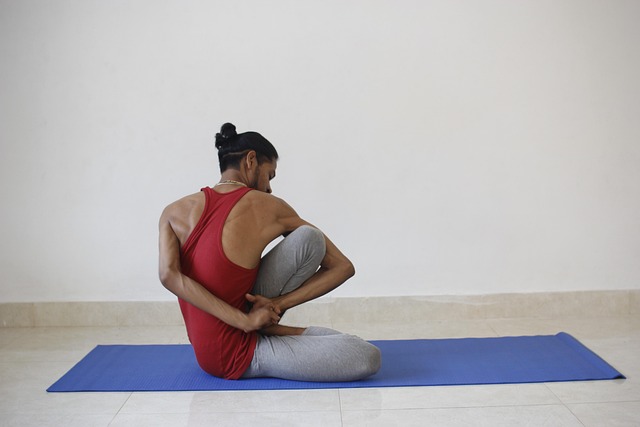
The menopausal transition, encompassing perimenopause and menopause, often brings a cascade of physiological changes. Among these, fluctuating hormone levels can significantly impact the body’s stress response system, leading to elevated cortisol. Cortisol, often called the “stress hormone,” plays a vital role in numerous bodily functions. However, chronically high levels can exacerbate common menopausal symptoms such as anxiety, sleep disturbances, weight gain, and even hot flashes. Breathwork offers a non-pharmacological, accessible approach to help regulate the nervous system and, in turn, manage cortisol levels during this period. By intentionally altering breathing patterns, women can activate the parasympathetic nervous system, promoting relaxation and mitigating the physiological effects of stress.

Related reading: Nervous System Regulation The Missing Link In Female Longevity, Vagus Nerve Stimulation For Perimenopausal Sleep Optimization.
Understanding Cortisol and the Menopausal Link
The adrenal glands produce cortisol, which is essential for regulating metabolism, reducing inflammation, and maintaining blood pressure. Its release is primarily governed by the hypothalamic-pituitary-adrenal (HPA) axis, a complex system that responds to stress. During the menopausal transition, declining estrogen levels can disrupt the HPA axis, making it more sensitive to stressors. This heightened sensitivity can lead to an overproduction of cortisol, even in response to everyday demands that might not have caused a significant stress response previously.
Chronic elevation of cortisol can contribute to:
- Increased anxiety and irritability: Cortisol can impact neurotransmitter balance.
- Sleep disturbances: High cortisol late in the day can interfere with melatonin production.
- Weight gain, particularly around the abdomen: Cortisol promotes fat storage.
- Bone density loss: Sustained high cortisol can negatively affect bone metabolism.
- Exacerbation of hot flashes: While not a direct cause, stress and high cortisol can trigger or worsen hot flashes.
Addressing cortisol levels is therefore a key strategy for managing overall well-being during menopause.
Breathing Techniques for Regulating the Nervous System
Different breathing techniques elicit distinct physiological responses. The goal of breathwork for lowering cortisol is primarily to activate the parasympathetic nervous system, which is responsible for the “rest and digest” state. This counteracts the “fight or flight” response mediated by the sympathetic nervous system, associated with cortisol release.
Diaphragmatic Breathing (Belly Breathing)
Often considered foundational, diaphragmatic breathing maximizes oxygen intake and promotes relaxation by engaging the diaphragm, a large muscle beneath the lungs. Many people breathe shallowly from their chest, which can signal stress to the body.
How to practice:
- Lie down or sit comfortably. Place one hand on your chest and the other on your abdomen, just below your rib cage.
- Inhale slowly through your nose, feeling your abdomen rise. Your chest should remain relatively still.
- Exhale slowly through pursed lips, feeling your abdomen fall. Gently contract your abdominal muscles to push out the last bit of air.
- Aim for 6-10 deep, slow breaths per minute.
Benefits for cortisol: This technique directly stimulates the vagus nerve, a major component of the parasympathetic nervous system, leading to a reduction in heart rate and blood pressure, and subsequently, cortisol.
4-7-8 Breathing
Developed by Dr. Andrew Weil, the 4-7-8 technique is a simple yet powerful rhythmic breathing exercise designed to calm the nervous system.
How to practice:
- Sit with your back straight. Place the tip of your tongue against the ridge of tissue just behind your upper front teeth, and keep it there throughout the entire breathing process.
- Exhale completely through your mouth, making a “whoosh” sound.
- Close your mouth and inhale quietly through your nose to a mental count of four.
- Hold your breath for a count of seven.
- Exhale completely through your mouth, making a “whoosh” sound, for a count of eight.
- This completes one breath. Inhale again and repeat the cycle three more times for a total of four breaths.
Benefits for cortisol: The prolonged breath hold and extended exhale are thought to activate the parasympathetic nervous system more intensely, helping to quickly reduce feelings of anxiety and promote relaxation.
Resonance Breathing (Coherent Breathing)
Resonance breathing involves slowing down the breath to approximately 5-6 breaths per minute, which is considered the body’s natural resonant frequency. This rate optimizes heart rate variability (HRV), a key indicator of nervous system regulation.
A more grounded way to view this**
- Sit comfortably. Inhale slowly and smoothly through your nose for a count of five.
- Exhale slowly and smoothly through your nose for a count of five.
- Maintain a continuous, even flow of breath without pauses between inhale and exhale.
- You can use a guided app or a timer to help maintain the rhythm.
Benefits for cortisol: By synchronizing heart rate, blood pressure, and brain wave activity, resonance breathing enhances vagal tone and balances the autonomic nervous system, leading to sustained reductions in cortisol over time.
Breathwork for Menopause Symptoms Beyond Cortisol
While the focus here is on cortisol, breathwork’s benefits extend to other common menopausal symptoms.
Managing Hot Flashes
Some research suggests that slow, deep breathing can help reduce the frequency and intensity of hot flashes. While the exact mechanism isn’t fully understood, it’s believed that regulating the nervous system can influence the body’s thermoregulatory center, which is often dysregulated during menopause. Techniques like paced breathing (6-8 breaths per minute) practiced regularly can build resilience against these sudden surges.
Improving Sleep Quality
Insomnia and disrupted sleep are prevalent during menopause, often linked to hormonal shifts, night sweats, and anxiety. Practicing calming breathwork techniques, such as 4-7-8 breathing or prolonged exhales, before bed can signal to the body that it’s time to rest. This helps lower cortisol that might be keeping you awake and prepares the mind and body for sleep.
Reducing Anxiety and Irritability
The direct impact of breathwork on the parasympathetic nervous system makes it an effective tool for managing anxiety and mood swings. Regular practice can increase emotional resilience and provide a coping mechanism during moments of heightened stress or irritability.
Incorporating Breathwork into Your Daily Routine
Consistency is key to reaping the benefits of breathwork. Short, regular sessions are often more effective than infrequent, long ones.
Suggested Daily Practice
| Time of Day | Breathwork Technique | Duration | Purpose |
|---|---|---|---|
| Morning | Diaphragmatic or Resonance | 5-10 minutes | Set a calm tone for the day, reduce morning cortisol surge. |
| Mid-day | 4-7-8 or Diaphragmatic | 2-5 minutes | Quick reset during stressful moments, combat afternoon energy dips. |
| Evening | 4-7-8 or Resonance | 10-15 minutes | Wind down, prepare for sleep, lower evening cortisol. |
| As Needed | Any calming technique | 1-2 minutes | During a hot flash, moment of anxiety, or before a challenging conversation. |
Practical Tips for Success
- Find a quiet space: Minimize distractions, especially when first starting.
- Wear comfortable clothing: Avoid anything restrictive around your waist or chest.
- Be patient: It takes time to develop a consistent practice and notice significant changes.
- Use guided apps: Many apps offer guided breathwork sessions that can be helpful for beginners.
- Listen to your body: If a technique feels uncomfortable or causes dizziness, stop and try a different approach or consult with a healthcare professional.
- Integrate into existing habits: Pair breathwork with activities you already do, like waiting for coffee to brew or during your commute (if not driving).
Important Considerations
While breathwork is generally safe, it’s important to approach it mindfully, especially during the menopausal transition where physiological changes are significant.
- Individual Variation: Not every technique works for everyone. Experiment to find what resonates best with your body and mind.
- Holistic Approach: Breathwork is a powerful tool, but it’s part of a larger picture of well-being. A balanced diet, regular physical activity, adequate sleep, and stress management strategies all contribute to healthy cortisol levels and overall menopausal health.
- Medical Conditions: If you have any underlying respiratory or cardiovascular conditions, it’s advisable to consult your doctor before starting new breathwork practices.
- Breathwork Does Not Spike Cortisol: Unlike intense physical exercise or acute stress, controlled breathwork techniques designed for relaxation are intended to lower cortisol, not increase it. The body interprets slow, rhythmic breathing as a signal of safety and calm.
Frequently Asked Questions
How to reset cortisol during menopause?
Resetting cortisol during menopause involves a multi-faceted approach. Breathwork is a key component, as it directly influences the nervous system’s ability to regulate stress. Other strategies include prioritizing sleep, engaging in moderate exercise, managing diet (reducing sugar and processed foods, increasing whole foods), practicing mindfulness or meditation, maintaining social connections, and identifying and addressing sources of chronic stress. Consistent practice of calming breathwork techniques like diaphragmatic or resonance breathing helps shift the body out of a chronic stress response.
What is the best breathwork for lowering cortisol levels?
There isn’t a single “best” breathwork for everyone, as individual responses vary. However, techniques that emphasize slow, deep, and rhythmic breathing are generally most effective for lowering cortisol.
- Diaphragmatic breathing (belly breathing) is foundational.
- 4-7-8 breathing is excellent for quick stress relief and before sleep.
- Resonance breathing (5-6 breaths per minute) is particularly effective for optimizing heart rate variability and long-term nervous system regulation, leading to sustained cortisol reduction. The “best” technique is ultimately the one you can practice consistently and that helps you feel calmer and more centered.
What is the breathwork for menopause?
Breathwork for menopause focuses on addressing common symptoms and physiological changes associated with the transition. This includes techniques to:
- Lower cortisol: (as discussed above) to reduce anxiety, improve sleep, and manage stress.
- Manage hot flashes: Paced breathing (e.g., 6-8 breaths per minute) can help regulate the body’s thermoregulation.
- Improve sleep: Calming techniques like 4-7-8 breathing before bed.
- Reduce anxiety and promote emotional balance: Any slow, deep breathing that activates the parasympathetic nervous system. The overall goal is to use breath to regulate the autonomic nervous system, support hormonal balance, and enhance overall well-being during this transformative life stage.
Conclusion
The menopausal transition presents unique challenges for the body’s stress response system, often leading to elevated cortisol levels and exacerbated symptoms. Breathwork offers a practical, self-empowering method to directly influence the nervous system, lower cortisol, and mitigate many of these common complaints. By consistently incorporating techniques like diaphragmatic breathing, 4-7-8 breathing, and resonance breathing, women can cultivate a greater sense of calm, improve sleep, reduce anxiety, and gain a valuable tool for navigating the physiological shifts of menopause. Starting with short, regular practices and finding what resonates personally can lead to significant improvements in overall well-being.