
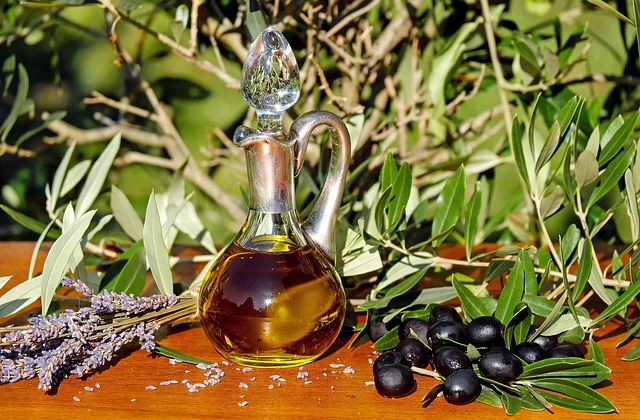
For women focused on health, addressing systemic inflammation and supporting metabolic health are key. High-phenolic olive oil offers a compelling dietary intervention to help achieve these goals. This article explores the evidence behind its impact on inflammation and metabolism, especially within a Mediterranean diet framework, and guides you on selecting the most beneficial varieties.
Related reading: The Precision Supplement Stack For Female Longevity And Ovarian Health, Urolithin A Dosage For Mitochondrial Efficiency And Ovarian Health.
How Olive Oil’s Phenolic Compounds Fight Inflammation
High-phenolic olive oil influences inflammation primarily through its rich concentration of specific bioactive compounds. While all extra virgin olive oil (EVOO) contains polyphenols, “high-phenolic” varieties stand out with significantly higher levels. These compounds, particularly oleocanthal, oleuropein, hydroxytyrosol, and their derivatives, have potent antioxidant and anti-inflammatory properties.
Oleocanthal, for example, has been shown to mimic the effects of non-steroidal anti-inflammatory drugs (NSAIDs) like ibuprofen by inhibiting cyclooxygenase (COX) enzymes. This action reduces the production of pro-inflammatory mediators. Unlike pharmaceutical drugs, however, oleocanthal’s effect is generally considered gentler and comes without the same range of side effects, especially with regular dietary intake.
Beyond direct enzyme inhibition, these polyphenols also modulate gene expression related to inflammation, reduce oxidative stress (a key driver of inflammation), and influence signaling pathways that regulate immune responses. For instance, they can suppress the activation of NF-κB, a protein complex that controls DNA transcription, cytokine production, and cell survival, playing a crucial role in regulating the immune response to infection and inflammation.
In practical terms, regularly consuming high-phenolic olive oil may help reduce chronic, low-grade systemic inflammation. This type of inflammation is often asymptomatic but underlies many chronic diseases, including cardiovascular disease, type 2 diabetes, and certain autoimmune conditions. For someone managing conditions rooted in chronic inflammation, incorporating high-phenolic olive oil isn’t a cure, but a dietary strategy that supports the body’s natural anti-inflammatory processes. The main trade-off is often cost, as these specialized oils tend to be more expensive due to specific harvesting and processing methods designed to preserve their phenolic content.
High-Phenolic Olive Oils: A Powerful Superfood
The term “superfood” is often used broadly, but for high-phenolic olive oil, it accurately describes a food with an exceptionally dense nutritional profile, particularly in beneficial bioactive compounds. Here, the focus isn’t just on the healthy monounsaturated fats (primarily oleic acid) found in all EVOO, but specifically on the polyphenols that elevate certain olive oils beyond standard EVOO.
These polyphenols work synergistically, meaning their combined effect is greater than the sum of their individual parts. This synergy contributes to a broad spectrum of health benefits, including improved cardiovascular health, neuroprotection, and even potential anti-cancer properties, alongside their anti-inflammatory effects.
For women, especially as they age, managing systemic inflammation becomes increasingly important for maintaining overall health and preventing age-related decline. Regularly including high-phenolic olive oil in a diet, particularly one modeled after the Mediterranean pattern, can be a proactive step. For instance, replacing less healthy cooking fats with high-phenolic olive oil in daily meal preparation—drizzling it over salads, vegetables, or using it for light sautéing—ensures consistent intake of these beneficial compounds. It’s not about consuming vast quantities, but rather consistent, moderate use. The “superfood” aspect isn’t about a single magical property, but its comprehensive support for various physiological systems.
The Power of High-Polyphenol Olive Oils: Health Benefits
The health benefits of high-polyphenol olive oils extend significantly beyond inflammation, touching upon several critical aspects of metabolic health. Metabolism refers to all the chemical processes that occur within an organism to maintain life, and its proper functioning is crucial for energy balance, weight management, and disease prevention.
Polyphenols in olive oil have been shown to influence glucose metabolism. Some research suggests they can improve insulin sensitivity, which is vital for preventing and managing type 2 diabetes. By helping cells respond more effectively to insulin, glucose can be absorbed from the bloodstream into cells for energy, rather than accumulating and leading to high blood sugar. This is particularly relevant for women, who face unique metabolic challenges and risks for conditions like gestational diabetes or polycystic ovary syndrome (PCOS).
Furthermore, these compounds may impact lipid metabolism, helping to improve cholesterol profiles by increasing high-density lipoprotein (HDL) cholesterol (the “good” cholesterol) and reducing oxidized low-density lipoprotein (LDL) cholesterol (a key factor in atherosclerosis). They also contribute to antioxidant defenses, protecting cells from damage caused by free radicals, which is another factor in metabolic dysfunction.
Consider a scenario: a woman aiming to improve her metabolic flexibility—the body’s ability to switch efficiently between burning carbohydrates and fats for fuel. By incorporating high-phenolic olive oil as a primary fat source, she’s not only providing healthy monounsaturated fats but also polyphenols that support mitochondrial function and reduce oxidative stress, both critical for optimal metabolic flexibility. This dietary choice complements other lifestyle interventions like regular exercise and a balanced diet, creating a robust strategy for metabolic health.
High-Phenolic Olive Oil: A Natural Anti-Inflammatory for the Gut
The gut microbiome plays a pivotal role in both systemic inflammation and metabolic health. A healthy, diverse gut flora is associated with better immune function, improved nutrient absorption, and a reduced risk of chronic diseases. Conversely, an imbalanced gut microbiome (dysbiosis) can contribute to chronic inflammation that extends beyond the gut itself.
High-phenolic olive oil acts as a natural anti-inflammatory agent that can positively influence gut health. Its polyphenols aren’t fully absorbed in the small intestine; a significant portion reaches the colon, where gut bacteria metabolize them. This interaction can lead to several beneficial outcomes:
- Prebiotic Effects: Some polyphenols can act as prebiotics, selectively feeding beneficial gut bacteria, promoting their growth, and enhancing gut microbiome diversity.
- Anti-pathogenic Activity: Certain phenolic compounds, like oleuropein, exhibit antimicrobial properties that can help inhibit the growth of harmful bacteria in the gut, contributing to a more balanced microbial ecosystem.
- Reduced Gut Permeability: Chronic inflammation can lead to increased gut permeability (“leaky gut”), allowing toxins and undigested food particles to enter the bloodstream and trigger systemic immune responses. Polyphenols may help strengthen the gut barrier, reducing this permeability.
For individuals with gut-related inflammatory issues, such as irritable bowel syndrome (IBS) or even milder digestive discomforts, incorporating high-phenolic olive oil could be a supportive dietary measure. While it’s not a sole treatment for complex conditions like SIBO (Small Intestinal Bacterial Overgrowth), anecdotal reports and emerging research suggest that the anti-inflammatory and antimicrobial properties of EVOO, especially high-phenolic types, might be tolerated by some individuals. However, individual responses vary greatly, and consulting a healthcare professional for specific gut conditions is always recommended.
Unraveling the Extra Virgin Olive Oil Effect on Inflammation
Not all extra virgin olive oils are created equal when it to their anti-inflammatory potential. The “extra virgin” classification primarily denotes a chemical standard regarding acidity, extraction method (cold-pressed), and sensory characteristics (taste and aroma). While all EVOO contains beneficial compounds, the phenolic content can vary dramatically.
The “effect on inflammation” is largely driven by the concentration and type of polyphenols present. A standard EVOO might have 50-200 mg/kg of total polyphenols, whereas a truly high-phenolic olive oil can contain upwards of 250 mg/kg, often reaching 500-1000 mg/kg or even higher. These higher concentrations are what unlock the more pronounced therapeutic effects observed in studies.
Factors influencing phenolic content:
- Olive Variety (Cultivar): Certain olive varieties naturally produce more polyphenols (e.g., Koroneiki, Picual, Chetoui).
- Harvest Time: Olives harvested earlier in the season (green olives) typically yield oils with higher phenolic content and a more pungent, bitter taste.
- Growing Conditions: Soil, climate, and farming practices can influence polyphenol levels.
- Processing: Cold-pressing and minimal processing help preserve these delicate compounds. Heat, light, and oxygen exposure degrade them.
- Storage: Proper storage in dark, cool conditions is crucial to maintain phenolic integrity after bottling.
When investigating olive oils for their anti-inflammatory benefits, it’s essential to look beyond just “extra virgin.” The term “high-phenolic” or “ultra-premium” often indicates a product specifically cultivated and processed for elevated polyphenol levels. Some producers provide lab analyses or certifications indicating the total polyphenol content on their labels or websites, which is a reliable indicator for consumers.
Beyond Extra Virgin—The Health Benefits of High-Phenolic Olive Oil
Moving “beyond extra virgin” means focusing on the specific qualities that elevate certain olive oils from a healthy cooking fat to a functional food with targeted health benefits. This distinction is crucial for women actively seeking dietary strategies for longevity and chronic disease prevention.
The Mediterranean diet, renowned for its association with longevity and reduced incidence of chronic diseases, prominently features olive oil. However, it’s increasingly understood that the traditional Mediterranean diet often utilized olive oils that were far richer in polyphenols than many commercially available EVOOs today. These traditional oils, often made from olives harvested earlier and processed locally, possessed a more robust, peppery, and sometimes bitter flavor profile—characteristics indicative of high polyphenol content, particularly oleocanthal.
For women, integrating high-phenolic olive oil into a Mediterranean-like eating pattern can amplify the diet’s protective effects. This includes:
- Cardiovascular Protection: Beyond effects on cholesterol, polyphenols contribute to endothelial function (the lining of blood vessels), blood pressure regulation, and anti-platelet aggregation, all crucial for preventing heart disease.
- Cognitive Health: Emerging research suggests polyphenols may offer neuroprotective benefits, potentially reducing the risk of cognitive decline and neurodegenerative diseases.
- Bone Health: Some studies indicate a positive association between olive oil consumption and bone density, which is particularly relevant for women susceptible to osteoporosis.
- Cancer Prevention: While not a standalone treatment, the antioxidant and anti-inflammatory properties of polyphenols may contribute to reducing cancer risk by inhibiting cellular damage and abnormal cell growth.
Ultimately, choosing a high-phenolic olive oil is about making an informed decision to select a product optimized for its therapeutic potential. It’s an investment in a food item that acts as both a culinary ingredient and a source of potent bioactive compounds supporting systemic health.
Choosing Your High-Phenolic Olive Oil
| Feature | Standard EVOO (Good) | High-Phenolic EVOO (Better) |
|---|---|---|
| Polyphenol Content | 50-200 mg/kg | >250 mg/kg, often 500-1000+ mg/kg |
| Taste Profile | Fruity, mild, sometimes slightly peppery | Robust, pungent, bitter, peppery (indicates oleocanthal) |
| Harvest Time | Mature olives | Early harvest (green olives) |
| Labeling | “Extra Virgin Olive Oil” | May specify “High Phenolic,” “Early Harvest,” “Polyphenol Rich” |
| Certification/Lab | Rarely provided | Often includes lab analysis or certification for polyphenol levels |
| Price | Moderate | Higher, reflects specialized production and quality |
| Best Use | General cooking, dressings | Finishing oil, dressings, light sautéing (to preserve compounds) |
Frequently Asked Questions
What kind of olive oil is anti-inflammatory?
High-phenolic extra virgin olive oil (EVOO) is considered anti-inflammatory. While all EVOO contains some beneficial compounds, those specifically labeled or tested as “high-phenolic” have significantly higher concentrations of polyphenols like oleocanthal and oleuropein, which are responsible for the primary anti-inflammatory effects.
Is olive oil okay for SIBO?
For individuals with SIBO (Small Intestinal Bacterial Overgrowth), the suitability of olive oil can vary. EVOO, including high-phenolic varieties, is generally considered a low-FODMAP food and is often well-tolerated. Its anti-inflammatory and antimicrobial properties might be beneficial for some. However, individual tolerance can differ, and it’s best to introduce it cautiously and consult with a healthcare professional or registered dietitian familiar with SIBO.
Does olive oil reduce creatinine?
There is no strong scientific evidence to suggest that olive oil directly reduces creatinine levels. Creatinine is a waste product filtered by the kidneys, and elevated levels typically indicate kidney dysfunction. While a healthy diet incorporating olive oil can support overall kidney health by reducing inflammation and oxidative stress, it is not a specific intervention for lowering creatinine. Any concerns about creatinine levels should be discussed with a doctor.
Conclusion
For health-conscious women, particularly those focused on long-term wellness, combating systemic inflammation, and supporting metabolic health, high-phenolic olive oil presents a valuable dietary ally. Its rich array of polyphenols, especially oleocanthal, offers a natural approach to modulating inflammation, improving metabolic markers, and supporting gut health. While not a magic bullet, integrating these specialized olive oils into a balanced, Mediterranean-inspired diet can significantly contribute to a proactive health strategy. When selecting, prioritize oils that explicitly state high phenolic content or provide lab analysis to ensure you are getting the most potent benefits.