
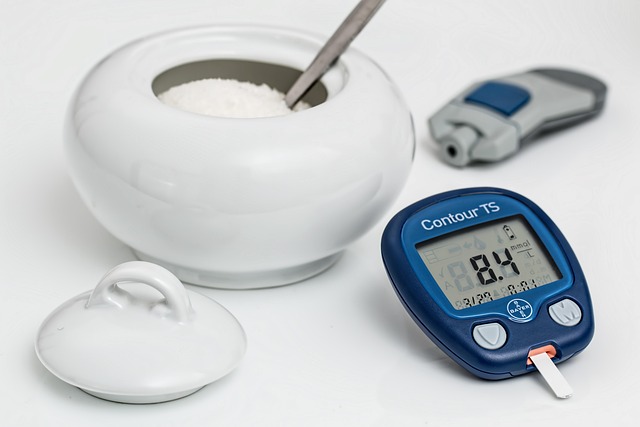
Understanding insulin sensitivity is crucial for many women, especially those navigating perimenopause, PCOS, or general metabolic challenges. Insulin resistance, where the body’s cells don’t respond effectively to insulin, can lead to elevated blood sugar, weight gain, and an increased risk of various health issues. While metformin is a widely prescribed medication for improving insulin sensitivity, interest in natural alternatives like berberine has grown. This article explores berberine’s role in enhancing insulin sensitivity, particularly for women, and compares its potential benefits and considerations against metformin.
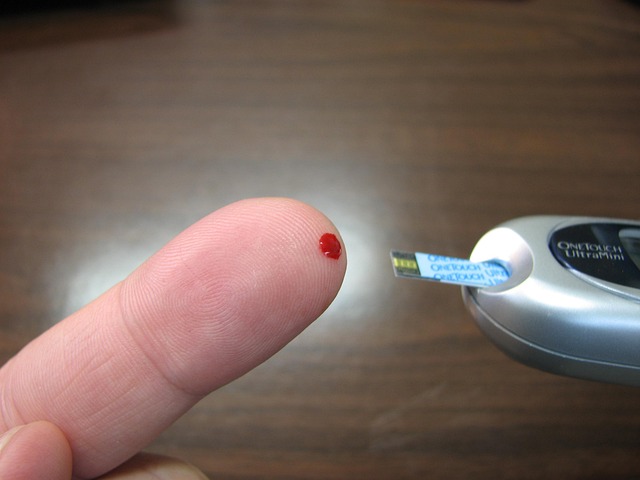
Related reading: Reclaiming Metabolic Flexibility How To Prevent Insulin Resistance In Midlife, Continuous Glucose Monitors Cgms For Women Tracking Hormones Metabolism And Energy.
Understanding Insulin Resistance and Its Impact on Women
Insulin, a hormone produced by the pancreas, helps glucose (sugar) from food enter your cells for energy. When cells become resistant to insulin, the pancreas works harder, producing more insulin to maintain normal blood sugar levels. Over time, this can exhaust the pancreas, leading to consistently high blood sugar, a precursor to type 2 diabetes.
For women, insulin resistance can manifest in specific ways. It’s often a central feature of Polycystic Ovary Syndrome (PCOS), contributing to hormonal imbalances, irregular periods, acne, and difficulty with weight management. During perimenopause and menopause, hormonal shifts, particularly declining estrogen, can also exacerbate insulin resistance, making abdominal weight gain more common and increasing the risk of metabolic syndrome. Addressing insulin sensitivity is thus a key strategy for women’s overall well-being during these life stages.
Berberine’s Role in Improving Insulin Sensitivity in Women
Berberine is a bioactive compound extracted from several plants, including the Berberis genus. It has a long history in traditional Chinese and Ayurvedic medicine for various ailments. Modern research increasingly focuses on its potential to impact metabolic health, especially its effects on insulin sensitivity and blood glucose regulation.
Studies suggest that berberine improves how the body handles glucose through multiple mechanisms. One primary way is by activating AMP-activated protein kinase (AMPK), often called a “metabolic master switch” due to its critical role in cellular energy homeostasis. When activated, AMPK helps increase glucose uptake by cells, reduce glucose production in the liver, and improve fatty acid oxidation—all factors contributing to better insulin sensitivity.
For women, these mechanisms can translate into tangible benefits. For instance, in women with PCOS, berberine has been shown to improve insulin resistance, reduce androgen levels (which contribute to symptoms like hirsutism and acne), and help regulate menstrual cycles. This multi-faceted approach makes it a compelling option for managing the complex interplay of hormonal and metabolic issues often seen in PCOS.
Beyond PCOS, berberine’s effects on glucose metabolism can benefit women experiencing general insulin resistance, whether related to lifestyle, genetic predispositions, or age-related hormonal changes like those in perimenopause. By helping cells become more responsive to insulin, berberine may contribute to more stable blood sugar levels, reduced cravings, and potentially easier weight management.
Berberine as a Natural Approach to Metabolism for Women
Berberine’s appeal as a “natural” option often stems from its plant-derived origin and traditional use. However, “natural” does not mean “without effect” or “without potential side effects.” Understanding how berberine impacts metabolism from a natural perspective involves looking at its broad action on various metabolic pathways.
In addition to AMPK activation, berberine may also:
- Influence gut microbiota: Emerging research suggests berberine can positively alter the composition of gut bacteria, which plays a significant role in metabolic health and insulin sensitivity. A healthier gut microbiome can improve glucose metabolism and reduce inflammation.
- Reduce inflammation: Chronic low-grade inflammation is a known contributor to insulin resistance. Berberine has demonstrated anti-inflammatory properties, which could indirectly support better insulin function.
- Support liver health: By reducing hepatic glucose production, berberine helps alleviate the burden on the liver and contributes to overall glucose regulation.
For women seeking to support their metabolic health, particularly if they are hesitant about pharmaceutical interventions or are looking for complementary approaches, berberine offers a potentially effective botanical option. Its broad impact on metabolic processes, from cellular energy regulation to gut health, positions it as more than just a blood sugar reducer; it’s a compound that can influence several interconnected systems crucial for metabolic balance.
However, the term “natural” also means that its potency and consistency can vary depending on the source and formulation. When considering berberine, it’s important to look for reputable brands that provide standardized extracts to ensure consistent dosing and purity.
What to Know About Berberine, the So-Called “Nature’s Metformin”
The moniker “nature’s metformin” highlights berberine’s perceived similarities to the pharmaceutical drug metformin, particularly concerning their shared ability to improve insulin sensitivity and lower blood glucose. While both compounds target similar metabolic pathways, their precise mechanisms and side effect profiles differ.
Metformin primarily works by:
- Decreasing glucose production in the liver: This is considered its main action.
- Increasing insulin sensitivity: It helps muscle cells absorb glucose more effectively.
- Reducing glucose absorption from the gut: To a lesser extent.
Berberine shares the first two mechanisms, notably its impact on AMPK, which mirrors some of metformin’s effects. Both can lead to reductions in HbA1c (a measure of average blood sugar over 2-3 months), fasting blood glucose, and post-meal blood sugar levels.
However, a key distinction lies in their origins and regulatory status. Metformin is a prescription drug, extensively studied in large-scale clinical trials, and its dosage and side effects are well-documented. Berberine is a dietary supplement, meaning it is not subject to the same rigorous testing and approval process by regulatory bodies like the FDA in the United States. This distinction impacts how it is marketed, prescribed, and researched.
For women considering berberine as an alternative or complementary approach, understanding these differences is vital. While promising, the body of evidence for berberine, particularly in long-term safety and efficacy across diverse populations, is still developing compared to metformin. It’s not a direct, interchangeable substitute without careful consideration and professional guidance.
Berberine Benefits for Women: PCOS, Perimenopause, and Beyond
Berberine’s impact on insulin sensitivity extends to several areas particularly relevant to women’s health.
Polycystic Ovary Syndrome (PCOS)
PCOS is a common endocrine disorder affecting women of reproductive age, characterized by hormonal imbalances, ovarian cysts, and often, insulin resistance. For women with PCOS, berberine has shown significant promise:
- Improved Insulin Sensitivity: Studies indicate berberine can enhance insulin sensitivity, a cornerstone of PCOS management. This can lead to lower insulin levels and, consequently, reduced androgen production.
- Reduced Androgen Levels: High levels of male hormones (androgens) contribute to symptoms like hirsutism (excess body hair), acne, and hair loss in women with PCOS. By improving insulin sensitivity, berberine can help lower these androgen levels.
- Menstrual Cycle Regulation: For many women with PCOS, irregular or absent periods are a major concern. By addressing the underlying hormonal and metabolic imbalances, berberine may help restore more regular ovulatory cycles.
- Weight Management: Insulin resistance often makes weight loss challenging for women with PCOS. Berberine’s effects on metabolism and fat storage can support weight management efforts.
Perimenopause and Menopause
As women transition through perimenopause and into menopause, hormonal fluctuations can significantly impact metabolic health. Declining estrogen levels can contribute to:
- Increased Insulin Resistance: Making it harder for the body to manage blood sugar.
- Weight Gain: Especially around the abdomen, which is metabolically less healthy.
- Increased Risk of Metabolic Syndrome: A cluster of conditions including high blood pressure, high blood sugar, excess body fat around the waist, and abnormal cholesterol or triglyceride levels, which together increase the risk of heart disease, stroke, and type 2 diabetes.
Berberine’s ability to improve insulin sensitivity and support healthier glucose metabolism can be particularly beneficial during these life stages. By helping to stabilize blood sugar and potentially aid in weight management, it may mitigate some of the metabolic challenges associated with hormonal aging.
General Metabolic Health
Beyond specific conditions, berberine can contribute to broader metabolic health for women:
- Cardiovascular Health: By improving cholesterol profiles (reducing LDL cholesterol and triglycerides) and potentially lowering blood pressure, berberine may support heart health, which is a significant concern for women, especially post-menopause.
- Gut Health: Its impact on the gut microbiome can lead to improved digestive function and a healthier internal environment, indirectly benefiting overall metabolism and immunity.
Berberine Phospholipid: An Effective Insulin Sensitizer
Berberine’s bioavailability has been a subject of research. Berberine itself is not always well-absorbed by the body, meaning a significant portion might not reach the bloodstream to exert its effects. This has led to the development of enhanced formulations, such as berberine phospholipid complexes or phytosomes.
A phospholipid complex involves binding berberine to phospholipids (fats), which are similar to cell membrane components. This structural modification can significantly improve berberine’s absorption from the digestive tract into the bloodstream. Improved bioavailability means a lower dose might achieve the same therapeutic effect as a higher dose of the standard form, or a standard dose might yield a more robust effect.
For women seeking to maximize berberine’s potential benefits for insulin sensitivity, considering a phospholipid-bound formulation could be a practical approach. If a compound is poorly absorbed, even if it has potent effects in a test tube, those effects may not translate effectively in the human body. Improved absorption means more of the active compound is available to interact with targets like AMPK, leading to potentially more pronounced improvements in glucose uptake and metabolic function. This enhanced delivery system aims to overcome one of berberine’s traditional limitations.
Berberine Improves Reproductive Features in Obese Women
The connection between obesity, insulin resistance, and reproductive health in women is well-established. Obesity often exacerbates insulin resistance, which in turn can disrupt hormonal balance, leading to menstrual irregularities and infertility. This is particularly evident in conditions like PCOS, where a significant percentage of affected women are also overweight or obese.
Studies have indicated that berberine can play a beneficial role in this complex interplay, particularly in obese women. By improving insulin sensitivity, berberine helps to:
- Reduce Hyperinsulinemia: Lowering chronically high insulin levels that often accompany insulin resistance and obesity.
- Modulate Androgen Production: High insulin levels can stimulate the ovaries to produce more androgens, contributing to reproductive issues. By addressing insulin resistance, berberine can help normalize androgen levels.
- Support Ovulation and Menstrual Regularity: For obese women with irregular cycles, particularly those with PCOS, improvements in insulin sensitivity and hormonal balance can lead to more predictable ovulation and menstruation.
- Aid in Weight Management: While not a magic weight-loss pill, berberine’s metabolic effects can support efforts to achieve a healthier weight, which in itself is crucial for improving reproductive outcomes in obese women.
This evidence underscores berberine’s potential as a supportive intervention for obese women facing reproductive challenges linked to metabolic dysfunction. It offers a pathway to address some of the underlying physiological issues that contribute to infertility and hormonal imbalances, complementing lifestyle interventions like diet and exercise.
Comparison: Berberine vs. Metformin for Insulin Sensitivity
Choosing between berberine and metformin, or using them in conjunction, requires careful consideration. Here’s a comparative overview:
| Feature | Berberine (Supplement) | Metformin (Prescription Drug) |
|---|---|---|
| Origin | Plant-derived (natural compound) | Synthetic pharmaceutical |
| Primary Mechanism | Activates AMPK, influences gut microbiota, reduces hepatic glucose production, improves insulin receptor sensitivity | Decreases hepatic glucose production, increases insulin sensitivity, reduces intestinal glucose absorption |
| Efficacy for IR | Demonstrated in numerous studies, often compared to metformin in effect size for blood sugar reduction. | Gold standard, widely prescribed, robust evidence base from large-scale clinical trials. |
| Side Effects | Primarily GI upset (diarrhea, constipation, nausea, cramps), especially at higher doses. Generally mild. | Primarily GI upset (diarrhea, nausea, abdominal discomfort), often dose-dependent. Less common: B12 deficiency. |
| Regulatory Status | Dietary supplement (less stringent regulation, quality varies). | Prescription medication (FDA-approved, highly regulated). |
| Long-Term Data | Growing, but still less extensive than metformin’s. | Decades of extensive clinical data, well-established long-term safety profile. |
| Considerations | Bioavailability can be an issue (look for enhanced forms). Potential drug interactions. | Potential B12 deficiency (monitor levels). Potential drug interactions. Contraindicated in severe kidney disease. |
| Specific to Women | Promising for PCOS (insulin resistance, androgen reduction, cycle regulation), perimenopausal metabolic support. | Effective for PCOS (insulin resistance, weight management). |
Frequently Asked Questions
Does berberine make you more insulin sensitive?
Yes, scientific research suggests that berberine can significantly improve insulin sensitivity. It does this by activating AMP-activated protein kinase (AMPK), an enzyme crucial in regulating cellular energy. This activation leads to increased glucose uptake by cells, reduced glucose production in the liver, and improved fatty acid oxidation, all contributing to a better insulin response.
Does berberine affect female hormones?
Berberine can indirectly affect female hormones, particularly in conditions where hormonal imbalances are linked to insulin resistance, such as Polycystic Ovary Syndrome (PCOS). By improving insulin sensitivity and lowering insulin levels, berberine can help reduce the production of androgens (male hormones) in women. This reduction in androgens can lead to improvements in symptoms like acne, hirsutism, and can help regulate menstrual cycles. However, it’s not known to directly alter primary female hormones like estrogen or progesterone in healthy women without underlying metabolic issues.
What organ is berberine hard on?
There is no strong evidence to suggest that berberine is “hard on” a specific organ when used appropriately and within recommended dosages. The most common side effects of berberine are gastrointestinal, including diarrhea, constipation, nausea, and abdominal cramps. These are generally mild and often resolve with dose adjustment or by taking berberine with food. While berberine is metabolized by the liver, studies have not indicated significant liver toxicity in typical therapeutic doses. However, individuals with pre-existing liver conditions should exercise caution and consult a healthcare professional before use, as with any supplement.
Conclusion
For health-conscious women seeking to optimize their metabolic health and improve insulin sensitivity, berberine presents a compelling natural alternative or complementary strategy. Its mechanisms, which include AMPK activation and positive effects on the gut microbiome, offer a multi-faceted approach to blood sugar regulation. Particularly for women navigating PCOS or the metabolic shifts of perimenopause, berberine’s potential to address underlying insulin resistance and hormonal imbalances is noteworthy.
While often likened to metformin, it’s important to recognize that berberine, as a dietary supplement, operates within a different regulatory framework and has a shorter history of extensive clinical trials compared to the established pharmaceutical. Its efficacy appears promising, especially with enhanced bioavailability formulations, but individual responses can vary.
Ultimately, decisions about managing insulin sensitivity should be made in consultation with a healthcare provider. Whether considering berberine as a primary intervention, an adjunct to existing treatments, or as part of a broader lifestyle strategy, a personalized approach ensures safety and efficacy, paving the way for improved metabolic well-being.